
Building a new home is one of the biggest investments you’ll ever make. And while most homeowners focus on countertops, flooring, and paint colors… the insulation behind the walls matters just as much — if not more.
Choosing the best insulation for new home construction can impact your comfort, humidity levels, energy bills, and even long-term home value.
So what’s actually best?
Let’s break it down.
Why Insulation Matters More in New Construction
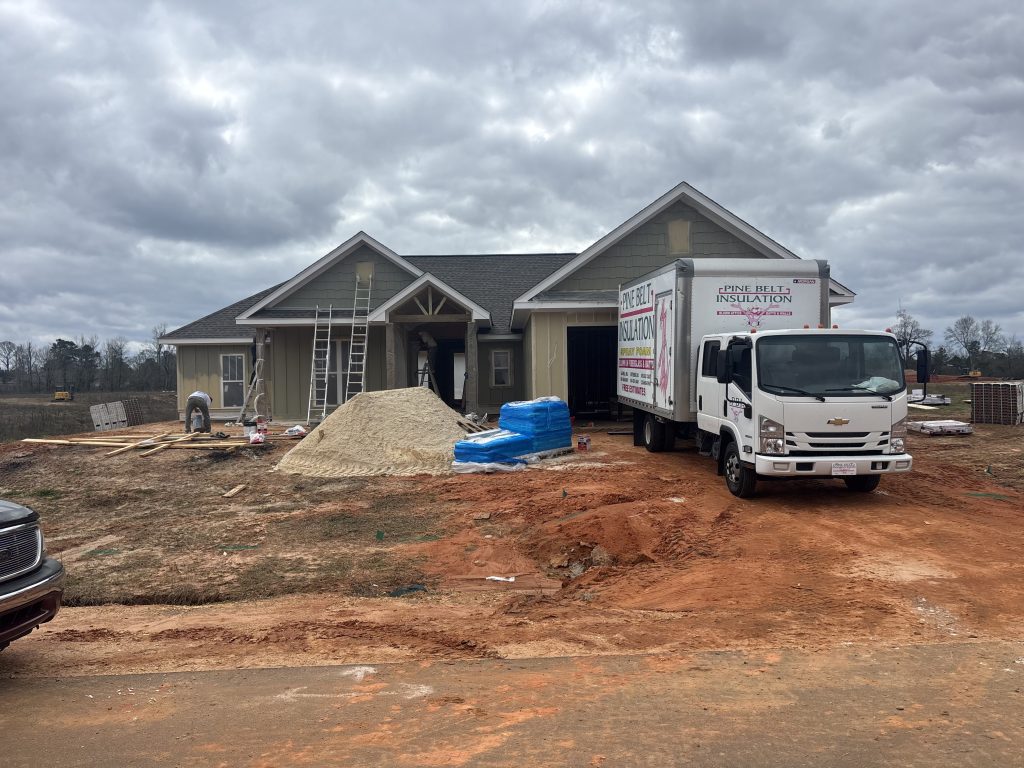
New construction gives you a major advantage: You can insulate the home correctly from day one.
That means:
- No tearing out drywall later
- No retrofitting
- No energy loss from day one
- No mold or moisture issues starting behind walls
Especially in Mississippi’s heat and humidity, insulation is not optional — it’s foundational.
1. Spray Foam Insulation (Top-Tier Performance)
Best for: Energy efficiency + moisture control
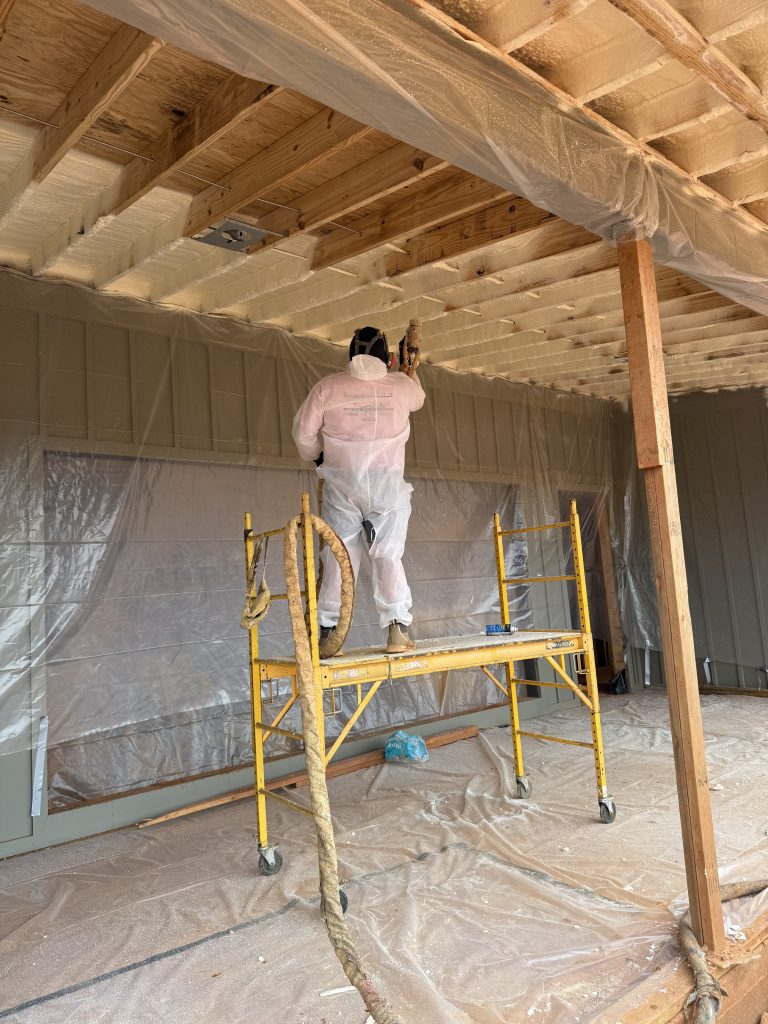
Spray foam is often considered the gold standard for new home construction.
Benefits:
- Highest R-value per inch
- Air seals gaps and cracks
- Reduces humidity infiltration
- Strengthens structural framing
- Lower energy bills long-term
In coastal and Southern climates, spray foam is especially valuable because it helps control moisture — which protects your home from mold and wood rot.
Best choice for:
Homeowners who plan to stay long-term and want maximum efficiency.
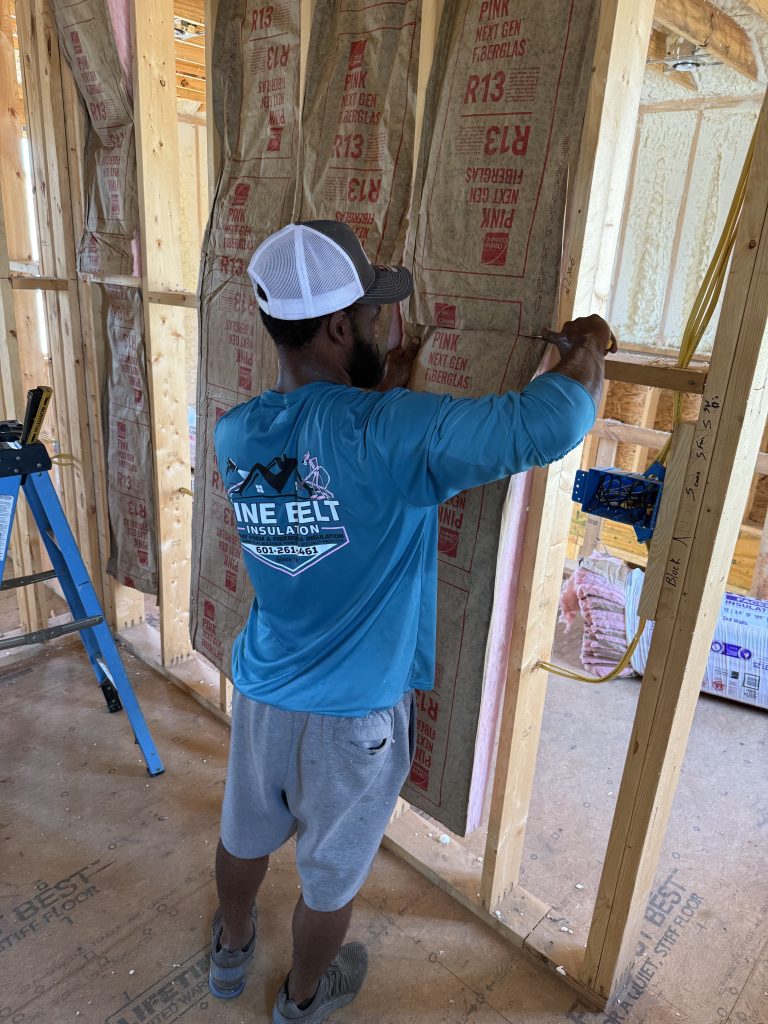
2. Fiberglass Batt Insulation (Budget-Friendly Option)
Best for: Budget-conscious builds
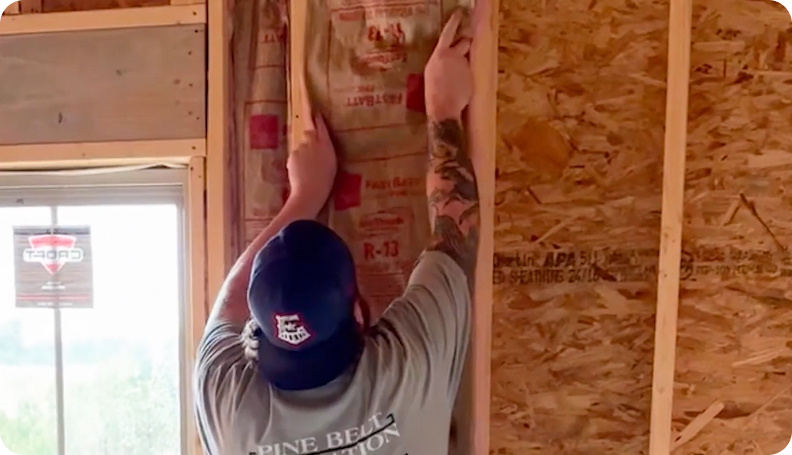
Fiberglass batt insulation is common in many new construction homes.
Benefits:
- Lower upfront cost
- Easy installation
- Readily available
- Good thermal resistance when properly installed
However, fiberglass does not air seal like spray foam. That means small gaps can allow heat and humidity to enter — especially in Mississippi summers.
Best choice for:
Homes where upfront cost is the main priority.
3. Spray Foam + Batt Hybrid System (Popular in Mississippi
Best for: Balanced performance + budget
Many builders now use a hybrid approach:
- Spray foam in key air-leak areas (attic, rim joists, roof deck)
- Fiberglass batts in wall cavities
This gives homeowners:
- Air sealing where it matters most
- Lower overall project cost
- Strong energy performance
For many Pine Belt homeowners, this is the sweet spot.
What R-Value Do You Need in Mississippi?
Mississippi falls into Climate Zone 3, which generally recommends:
- Attic: R-38 to R-60
- Walls: R-13 to R-20
- Floors: R-19 or higher
A professional insulation contractor will help ensure your home meets or exceeds these recommendations.
What Most Builders Won’t Tell You
Insulation is often one of the first places where costs are trimmed.
Upgrading insulation during construction is:
- Far cheaper than upgrading later
- Easier before drywall goes up
- One of the highest ROI upgrades in new construction
Energy savings over 10–15 years can easily outweigh the initial upgrade cost.
So… What Is the Best Insulation for New Home Construction
The honest answer:
- Highest performance: Spray foam
- Most budget-friendly: Fiberglass batt
- Best overall value for Mississippi: Hybrid system
The “best” option depends on:
- Your budget
- How long you plan to stay in the home
- Whether energy savings matter long-term
- Moisture concerns (especially coastal homes)
Building a New Home in the Pine Belt?
If you’re building in the Pine Belt area, insulation should be part of the conversation early — not an afterthought.
The right insulation system can:
- Lower energy bills
- Improve indoor comfort
- Reduce humidity issues
- Increase resale value
And it’s much easier to do it right the first time.
Need Help Choosing the Best Insulation for Your New Home?
Pinebelt Insulation works directly with homeowners and builders to design insulation systems specifically for new construction homes in Mississippi.
If you’re building, now is the time to get it right.
📞 Contact us for a new construction insulation estimate.